
Last Updated: April 28, 2026
Cities aren’t becoming “smart” because it sounds good. They’re being pushed into it. The population is rising, infrastructure is ageing, and regulations are getting tighter at the same time. There isn’t much room left for inefficiency. Systems that worked 10–15 years ago are now starting to break under pressure.
What’s changing is not just technology, but how different parts of a city connect. Waste, energy, and public health used to be managed separately. That separation is starting to collapse. One weak point now tends to affect everything else.
Data-Driven Waste Systems
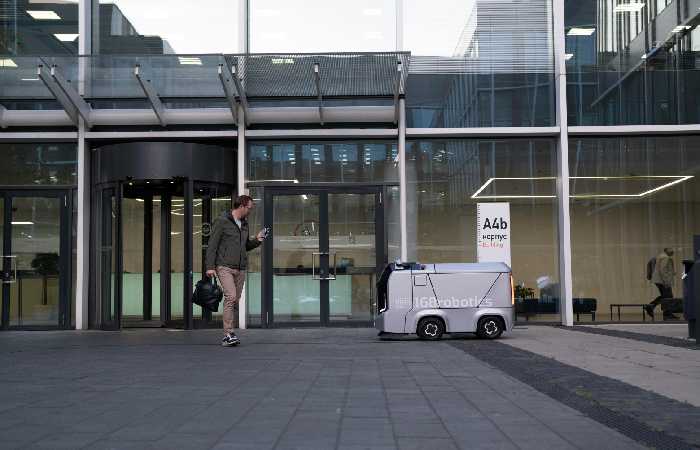
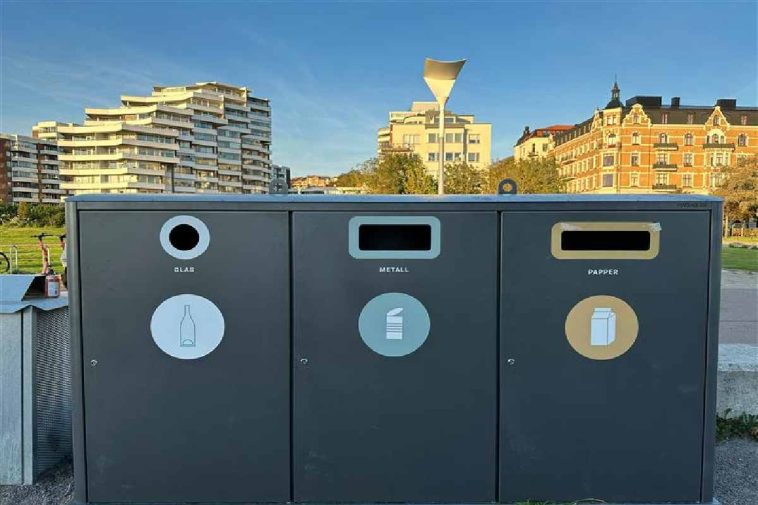
Waste collection used to be predictable. Trucks followed fixed routes. Pickups happened whether the bins were full or half empty. That doesn’t hold up anymore, especially in dense areas. Waste levels change quickly, and static schedules create either overflow or unnecessary trips.
Sensor-based systems are starting to fix that. Bins can signal when they’re close to capacity. Routes can be adjusted daily instead of staying locked for months. It’s not revolutionary, it’s just more logical.
Another shift that is less visible, but more important, is traceability. It’s no longer enough to just collect waste. There’s increasing pressure to show exactly where it came from and where it ends up. That’s where digital tracking comes in. Not optional anymore in many regions.
Energy Optimisation Through Connected Infrastructure
Energy systems are going through a similar transition. The old model, centralised generation and one-way distribution, is slowly being replaced. Cities are layering in solar, localised grids, and storage systems. Not perfectly, not everywhere, but enough to change how energy flows.
What stands out is responsiveness. Smart grids can adjust in real time. During peak demand, certain systems pull back automatically instead of waiting for manual intervention. Street lighting is a simple example. Lights don’t need to run at full intensity all night, especially in low-traffic areas. Adjusting that alone cuts a surprising amount of waste.
The International Energy Agency has been tracking this shift closely. Their research shows how digital systems are making energy use more efficient while supporting renewables.
Public Health as a Systems Outcome
Public health isn’t just about hospitals or healthcare access. In cities, it’s shaped heavily by infrastructure. Air quality, waste handling, and water systems, these all feed directly into health outcomes, whether people notice or not.
Air sensors are now common in many urban areas. Not just for data collection, but for action. Traffic patterns get adjusted. Alerts get issued. In some cases, entire zones are restricted when pollution crosses certain levels.
Waste systems also play a role here. Poor handling increases exposure risks, especially in crowded areas. Water monitoring has improved as well, catching issues earlier instead of reacting after the damage is done.
The World Health Organization continues to highlight how serious urban air pollution still is. The difference now is that cities have better tools to respond quickly.
Integrating Specialised Waste Streams
General waste systems are only part of the picture. Cities are dealing with more complex waste than before, particularly from the healthcare and pharmaceutical sectors. These materials can’t be treated like regular waste. They require controlled handling, clear documentation, and proper disposal processes. Mistakes here are harder to fix and often more damaging.
Cities also have to deal with waste that can’t be handled normally, like pharmaceutical waste collection, which needs tighter environmental controls. This isn’t just regulatory pressure; it’s a practical necessity. Digital tools are starting to support this. Tracking and reporting are becoming part of the workflow instead of something added later.
Governance, Privacy, and Interoperability
Technology doesn’t solve much on its own. Coordination does. Different departments, such as waste, energy, transport, and health, need to share information. Without that, systems stay disconnected, and the benefits don’t fully show up.
Privacy is another issue that can’t be ignored. More sensors mean more data, and not all of it is harmless. Managing that responsibly matters, especially if cities want public trust. Some cities are ahead on this. Others are still figuring it out, which slows everything down.
The Direction of Travel
Smart cities aren’t really about automation. That’s just a tool. The real shift is toward better decisions based on actual conditions, not assumptions made months earlier. Predictive systems, service automation, and improved waste processing techniques are all receiving more funding. Regulations are becoming stricter at the same time, especially with regard to hazardous products and emissions.
Both responsiveness and accountability are increasing in urban systems. Cities that successfully integrate technology with execution are witnessing significant gains in both efficiency and liveability.