
Last Updated: October 28, 2026
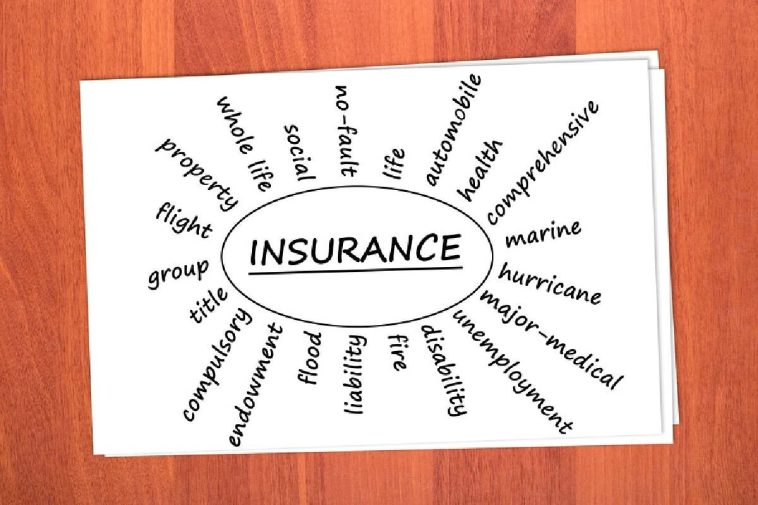
Types of Insurance that Every Business Needs – Every business needs insurance coverage to protect against various risks and potential losses. The types of insurance that every business needs may vary depending on the nature and size of the business. However, some essential types of insurance that every business should consider include the following:
Types of Insurance
- General Liability Insurance
- Property Insurance
- Workers’ Compensation Insurance
- Professional Liability Insurance (Errors & Omissions Insurance)
- Business Interruption Insurance
- Cyber Liability Insurance
- Commercial Auto Insurance
These types of insurance cover property damage, liability claims, employee injuries, business interruption, and other potential risks. With adequate insurance coverage, businesses can protect themselves from financial losses, and thus they continue operating despite unexpected events.
Rising operating expenses can put additional pressure on a company’s finances, particularly when revenue is disrupted by an unexpected event. Understanding why the cost of living is rising can provide broader context about inflation and household expenses, while businesses should separately assess how rising costs affect their budgets and insurance needs.
Types of Insurance that Every Business Needs
Businesses should also monitor broader financial conditions when evaluating their financial plans and risk exposure. Following updates such as the MSN stock market today can provide additional market context, although investment-market movements are separate from the protection offered by business insurance policies.
1. Liability Insurance Policies

Liability insurance policies protect businesses from financial losses. These losses may arise from claims of negligence, injury, or damage caused to others. There are diverse types of liability insurance policies that companies can consider, including:
2. General Liability Insurance:
It provides coverage for third-party bodily injury. It also offers coverage for property damage and also advertising injury claims.
3. Professional Liability Insurance (Errors & Omissions Insurance):
This covers claims arising from errors, omissions, or negligence in providing professional services.
4. Product Liability Insurance:
It offers coverage for claims arising from injuries or damages caused by products sold or manufactured by the business.
5. Cyber Liability Insurance:
Provides coverage for losses from data breaches, cyber-attacks, or other cyber-related incidents.
Businesses that use digital payment services should also understand the security risks associated with online financial transactions. For readers exploring cryptocurrency purchases, this guide explains how to buy Bitcoin with a debit card. However, cryptocurrency-related losses are not automatically covered by standard cyber liability insurance, so businesses should review their policy terms carefully.
6. Directors and Officers Liability Insurance:
It covers claims arising from actions or decisions made by company directors and officers.
7. Liability insurance policies
can help businesses mitigate potential financial losses and protect reputations. Companies should carefully consider their insurance needs and consult with an insurance professional to determine the appropriate level of coverage.
8. Property Insurance Policies
Property insurance policies protect businesses from financial losses that may arise from damage or loss of physical property due to various events such as fires, storms, theft, or vandalism. There are different types of property insurance policies that businesses can consider, including:
9. Commercial Property Insurance
Provides coverage for damage or loss of property, including buildings, equipment, inventory, and also furniture.
Business Interruption Insurance:
It offers coverage for lost income and expenses due to an interruption in business operations resulting from a covered loss.
10. Inland Marine Insurance
covers goods and materials in transit or temporarily stored off-site.
11. Boiler and Machinery Insurance:
Provides coverage for damage or loss of equipment and machinery due to malfunction, explosion, or breakdown.
12. Property insurance policies
can help businesses recover quickly from unexpected events and minimize financial losses. Companies should carefully assess their property insurance needs and consult with an insurance professional to determine the appropriate level of coverage.
13. Money Insurance
Money insurance is a type of insurance policy that provides coverage for businesses against financial losses. These losses are due to theft or loss of money while in transit or stored on the business premises. This insurance typically covers cash, checks, and other negotiable instruments. They also cover money insurance policies, employee dishonesty, counterfeit currency, and forgery.
Businesses that handle cash, such as retailers, banks, and other financial institutions, are particularly vulnerable to theft and other losses. Money insurance can help protect businesses from financial losses and ensure that they can continue operating even in the face of unexpected events. Companies need to assess their risks and consult an insurance professional to determine the appropriate level of coverage.
Maintaining accurate financial records is also essential for managing business risks and making informed decisions about insurance coverage. Businesses can improve their financial planning by understanding the role of accounting in business, including how proper record-keeping supports budgeting, expense tracking, and financial management.
Financial risk management also involves understanding the difference between protecting business assets and making investment decisions. Readers interested in equity-market analysis can review the IOC share price target for 2025, while remembering that stock-market investments carry risks that business insurance generally does not cover.
14. Fidelity Guarantee Insurance
Fidelity guarantee insurance is a kind of insurance policy that provides coverage for businesses against financial losses due to fraudulent acts committed by their employees. This insurance typically covers losses resulting from theft, embezzlement, and forgery, and it also covers losses from other fraudulent activities carried out by employees.
Fidelity guarantee insurance is essential for businesses that handle large amounts of money or sensitive financial information, such as banks, financial institutions, and other companies.
This insurance can help protect businesses from the financial impact of employee fraud and ensure that they can continue operating even in the face of unexpected events. Companies need to assess their risks and also consult with an insurance professional to determine the appropriate level of coverage for their needs.
16. Electronic Equipment Insurance
Electronic equipment insurance is a kind of insurance policy that provides coverage for businesses against financial losses. The losses occur due to damage or loss of electronic equipment and systems. This insurance typically covers losses from accidental damage, fire, theft, or other perils.
Businesses that rely heavily on electronic equipment and systems, such as computer hardware, software, and other specialized equipment, are particularly vulnerable to losses due to equipment failure or damage. Electronic equipment insurance can help protect businesses from financial losses and ensure that they can continue operating despite unexpected events.
Businesses need to assess their risks and consult with an insurance professional, and they should determine the appropriate level of coverage for their electronic equipment and systems.
Digital businesses may also use computers and specialised software to create, manage, and sell digital products. For example, artists and entrepreneurs can learn how to create and sell NFT art. Although electronic equipment insurance may protect qualifying physical devices against covered losses, it does not automatically insure digital artwork, NFTs, or cryptocurrency assets.